

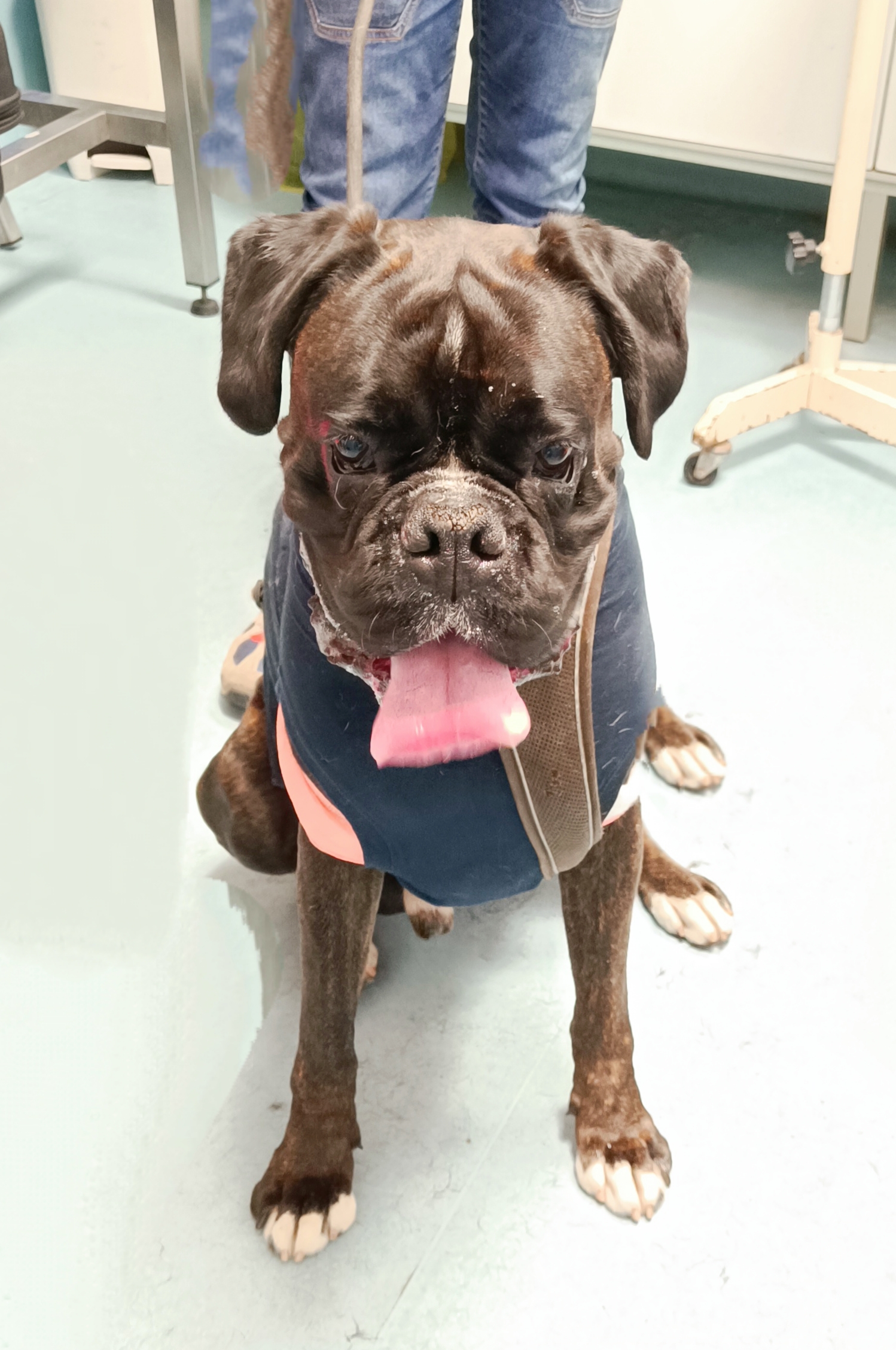
The electrocardiogram (ECG) is a non-invasive diagnostic test that allows recording of the heart’s electrical activity through electrodes applied to the skin, which transmit the signal to a device to obtain a graphical trace.
To be diagnostically useful, the exam should be conducted for at least 5 minutes in a quiet environment, with the patient in right lateral recumbency and limbs perpendicular to the body, unless contraindicated (e.g., dyspneic patient). The patient should not tremble or be in contact with a metal table, as much as possible.
Electrodes are placed on the distal portion of the limbs, regardless of the exact height (placing them lower toward the extremities is recommended in panting animals to reduce artifacts), moistening them with alcohol to enhance contact.Color coding is as follows:
Precordial leads are placed as follows:
Once the electrodes are correctly placed, the device settings (sweep speed and amplitude) must be adjusted to minimize artifacts and optimize the test.
Conventionally, a sweep speed of 50 mm/s and amplitude of 10 mm/mV are used; however, adjust amplitude to 5 mm/mV if waves overlap or to 20 mm/mV if complexes are very small.
It is essential in cardiologic evaluation and for diagnosing:
The main canine cardiomyopathies (e.g., occult dilated cardiomyopathy, arrhythmogenic cardiomyopathy) can remain silent for a long time, making ECG a valuable early diagnostic tool. Combined with imaging (thoracic X-ray, echocardiography), it offers a complete overview of cardiac health.
Combined with imaging (thoracic X-ray, echocardiography), it offers a complete overview of cardiac health.
ECG is quick, painless, and minimally stressful. It can be easily done in a clinic or hospital and often makes a significant difference in the veterinary service provided.
However, interpreting an ECG can be challenging. That’s why Vetconsult offers a reporting service within 24 working hours to support colleagues with advice and discussion on patient management.
1. Register in your personal areaon Vetconsult.
2. After approval, you can request new cases anytime:
3. Report delivery